
Por John Hagee
Hoy me gustaría hablarles sobre el Libro de Habacuc, él es un profeta del Antiguo Testamento. Teológicamente está considerado como un profeta Menor, pero él fue un individuo muy importante porque aunque sus escritos fueron encontrado en las historias del Antiguo Testamento cuando Israel estaba enfrentando grandes amenazas por parte de los babilónicos, posee información que podemos traer al tiempo actual en el mundo en que estamos viviendo.
Habacuc fue el profeta que hizo una pregunta que muchos de nosotros hemos hecho cuando estamos pasando por una prueba y esta es: ¿cuánto tiempo va esto a durar?
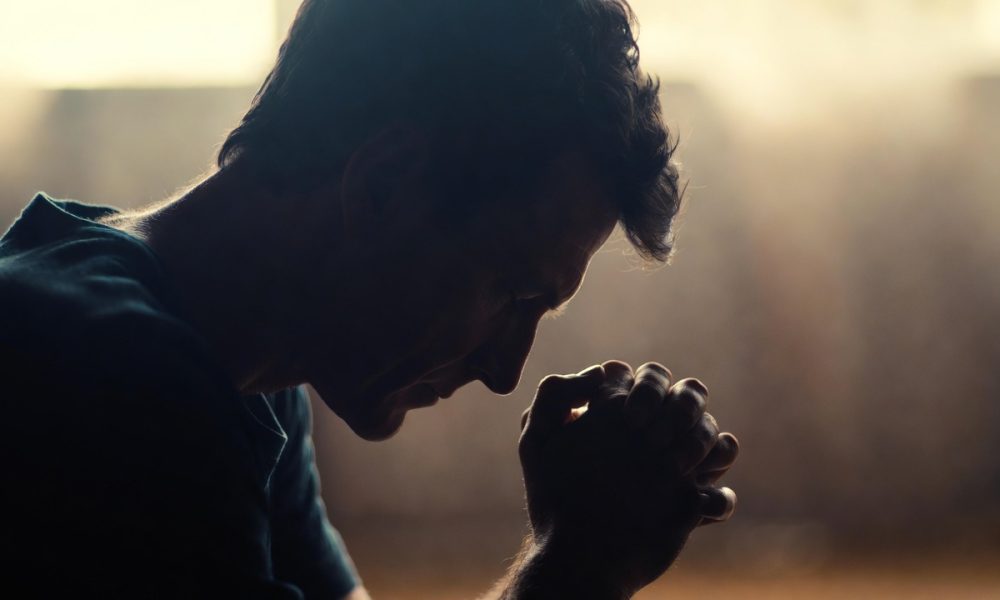
En Habacuc 1:1, 2 el profeta le dice al Señor: ¿Hasta cuándo, oh Jehová, clamaré, y no oirás; y daré voces a ti a causa de la violencia, y no salvarás? Tenemos un problema, el profeta dice Señor oro y no escuchas mis oraciones, estoy de rodillas y no creo que me estás oyendo, te estoy exponiendo todos estos problemas que están ocurriendo aquí en la tierra y no creo que tú los estás viendo. Y cuando leemos estas palabras se no hace difícil entender cómo un individuo puede cuestionar a Dios. Y empezamos a pensar en las promesas de que todas las cosas nos ayudan a bien pero como Dios va a extraer lo bueno de tanta maldad, nos preguntamos.
Pero para entender bien las palabra del profeta debemos entender que él estaba hablándole a Dios, él estaba abriéndole su corazón, pero él no estaba hablando en contra de Dios y hay una diferencia en ello. En tu relación con Dios tú puedes hablar con Él, pero nunca hables en contra de Él. Habacuc entendía esto y lo que estaba diciéndole fue, estoy aquí abajo haciendo lo que se supone debo hacer, ¿estamos de a buenas verdad Señor? Quizás tus preguntas están más relacionadas a cosas personales como que quizás tienes problemas en tu hogar, quizás es en tu matrimonio o tal vez con tus hijos, en tus finanzas y le dices Señor si se supone que tu suples todas mis necesidades y ves esta necesidad, ¿cuál es la solución?
Why Sportsbook Odds Vary Across Platforms: A Betzonic Breakdown
Anyone who has placed bets across multiple sportsbooks has noticed the same phenomenon: identical games carry different odds depending on where you look. A moneyline that reads -140 on one platform might sit at -155 on another, and a point spread that opens at 3.5 could be listed as 4 elsewhere. These are not errors or temporary glitches. They reflect deeply structural differences in how sportsbooks operate, price markets, and manage risk. Understanding why these discrepancies exist is not just academically interesting — it has direct implications for anyone trying to extract value from sports betting over the long term.
How Sportsbooks Build Their Odds
The odds-making process begins with a probability estimate. Oddsmakers — sometimes called traders or compilers depending on the region — assess the likelihood of each outcome in a given event. This assessment draws on statistical models, historical data, team and player performance metrics, injury reports, weather conditions, and in some cases, proprietary algorithms that have been refined over years of market observation. The raw probability estimate is then converted into a price, and a margin is applied. That margin, often called the «vig» or «juice,» is how sportsbooks generate revenue regardless of the outcome.
The size of that margin varies significantly across operators. European-facing books, particularly those operating under UK Gambling Commission licensing, have historically maintained tighter margins — often in the 2-4% range on major markets — because they compete in a mature, price-sensitive environment where sharp bettors and comparison tools keep operators honest. By contrast, some US-facing sportsbooks operating under state-level licensing frameworks introduced post-PASPA (the Professional and Amateur Sports Protection Act was overturned in May 2018) have maintained margins closer to 7-10% on certain markets, particularly in states with limited competition. This is not predatory behavior in a vacuum — it reflects licensing costs, tax structures, and the relative sophistication of the customer base in newly regulated markets.
Beyond the margin, the underlying probability model itself differs between operators. A sportsbook that invests heavily in quantitative research may price a quarterback’s injury impact differently than one relying on more traditional scouting-based assessments. These model divergences, even when small, produce meaningfully different opening lines — and those differences can persist or widen as the market evolves.
Market Movement and the Role of Sharp Money
Once a line is posted, it does not remain static. Sportsbooks adjust odds in real time based on betting volume, the profile of incoming bets, and their own exposure management. A large wager from a known sharp bettor — someone with a documented history of beating closing lines — will typically trigger a faster and larger line movement than an equivalent dollar amount from a recreational account. This is not arbitrary. Books use account profiling, betting patterns, and in some cases third-party data services to categorize their customers and respond accordingly.
The result is that different books move at different speeds and in different directions. A sharp syndicate placing action on one side at Book A may cause that book to move its line significantly, while Book B, which did not receive the same action, holds its original number. This creates a temporary discrepancy — and sometimes a lasting one, if Book B decides the original price was defensible. For bettors tracking line movement, these divergences are informative signals. A game that opened at -3 and is now -5 at most books but still -3 at one outlier is telling a story worth investigating.
The mechanics of how line movement propagates across the industry is a subject of ongoing analysis. Resources like http://www.betzonic.com/why-same-game-145-one/ document specific instances where the same game carried substantially different prices across platforms simultaneously, illustrating that the gap between books is not always a matter of timing but sometimes reflects genuine disagreement about fair value. This kind of market inefficiency, while narrowing as more data becomes available, has not disappeared — particularly in lower-profile markets like college sports, international soccer leagues, and niche props.
Structural Differences Between Platforms
Not all sportsbooks are built on the same operational model, and this structural variation is one of the most underappreciated drivers of odds differences. Some books function primarily as market makers — they set their own lines, accept action from all customer types, and manage their own risk book. Others operate on a model closer to a betting exchange, where customers effectively bet against each other and the platform takes a commission. Betfair, which launched in 2000 and fundamentally changed how odds were understood in the UK market, is the most prominent example of the exchange model. Because prices on exchanges are set by supply and demand among bettors rather than by a trading desk, they often differ from traditional sportsbook prices — sometimes offering significantly better value on one side of a market.
Within the traditional sportsbook model, there is further variation based on how books source their odds. Some operators — particularly smaller or newer entrants — license their odds feed from a third-party provider such as Amelco, Kambi, or SBTech (now part of DraftKings). These white-label or B2B relationships mean that multiple brands may be offering essentially the same underlying price, with minor adjustments made locally. A bettor comparing odds across five books might unknowingly be looking at three that share the same feed, one that has made manual adjustments, and one that prices independently. This is why shopping lines across a broad set of books, rather than just two or three, tends to produce better results.
Betzonic has examined this dynamic in the context of US sports markets, where the post-2018 regulatory expansion created a landscape of operators with vastly different back-end infrastructure. Some state markets launched with three or four books, all of which happened to use the same odds provider, giving bettors the illusion of competition without the substance of it. As more operators entered and some began building proprietary trading capabilities, genuine price diversity increased — but it took several years to materialize in most states.
Regulatory and Tax Environments as Pricing Factors
The legal and tax environment in which a sportsbook operates has a direct effect on the odds it can offer. In states like New York, where the online sports betting tax rate was set at 51% of gross gaming revenue when the market launched in January 2022 — one of the highest in any regulated jurisdiction globally — operators face a structural disadvantage compared to those in lower-tax states like Colorado (10%) or Indiana (9.5%). To remain profitable under a high-tax regime, books must either reduce promotional spending, tighten their margins, or both. Bettors in high-tax states therefore tend to face slightly worse odds than those in more favorably taxed markets, all else being equal.
Licensing requirements also shape what markets a book can offer and how aggressively it can price them. Some jurisdictions require that certain bet types — live in-play wagering, for instance — be offered only with a delay or with restrictions on stake sizes. These constraints affect how a book manages risk on those markets, which in turn affects pricing. A book that cannot hedge its live exposure efficiently may price those markets more conservatively, resulting in shorter odds than a competitor operating under fewer restrictions.
International operators serving markets without formal licensing — a practice that still exists in jurisdictions where online sports betting occupies a legal gray area — sometimes offer more aggressive pricing precisely because their cost structure is lower. They do not pay licensing fees, may not be subject to responsible gambling compliance costs, and operate with fewer overhead requirements. This does not make them preferable overall, given the absence of consumer protections, but it does explain why odds comparisons that include offshore books sometimes show larger discrepancies than those limited to regulated domestic operators.
The variation in sportsbook odds across platforms is not noise — it is a meaningful reflection of different models, different risk appetites, different regulatory constraints, and different assessments of where the true probability lies. For bettors, this means that line shopping is not optional if the goal is long-term profitability; it is a fundamental discipline. For analysts and researchers, the divergence between books serves as a window into how markets form, how information flows through them, and where inefficiencies persist. Betzonic’s work in documenting specific pricing gaps across platforms contributes to a broader understanding of how odds are constructed and why the same event can simultaneously be priced as a -145 favorite at one book and a -130 at another — a difference that, compounded over hundreds of bets, is the difference between breaking even and generating consistent returns.
Habacuc en el Capítulo 1 se estaba enfocando únicamente en el problema y estos son los momentos que Satanás usará para que tengamos duda en nuestro corazón. En una ocasión estuve hablando con un ateo, agnóstico quien sacó todo su arsenal de razonamientos en contra de mi fe y me preguntó ¿Crees que Dios es siempre bueno y poderoso? Entonces por qué permite la maldad? Yo le dije, bueno este es un mundo caído. A lo que me contestó: entonces si El es siempre bueno y permite la maldad entonces no es del todo poderoso para detenerla.
La verdad es que Dios si es todo poderoso y bueno porque si El deseara detener la maldad en un momento, El lo podría hacer, pero además de ser poderoso y bueno El es misericordioso a lo que le doy las gracias porque en su poder si El quisiera desaparecer la maldad por completo ninguno de los que estamos aquí veríamos mañana la salida del sol nuevamente. Pero El, en su misericordia nos permite tener un día más para resolver nuestra maldad. La palabra dice que “su misericordia es nueva cada mañana”.
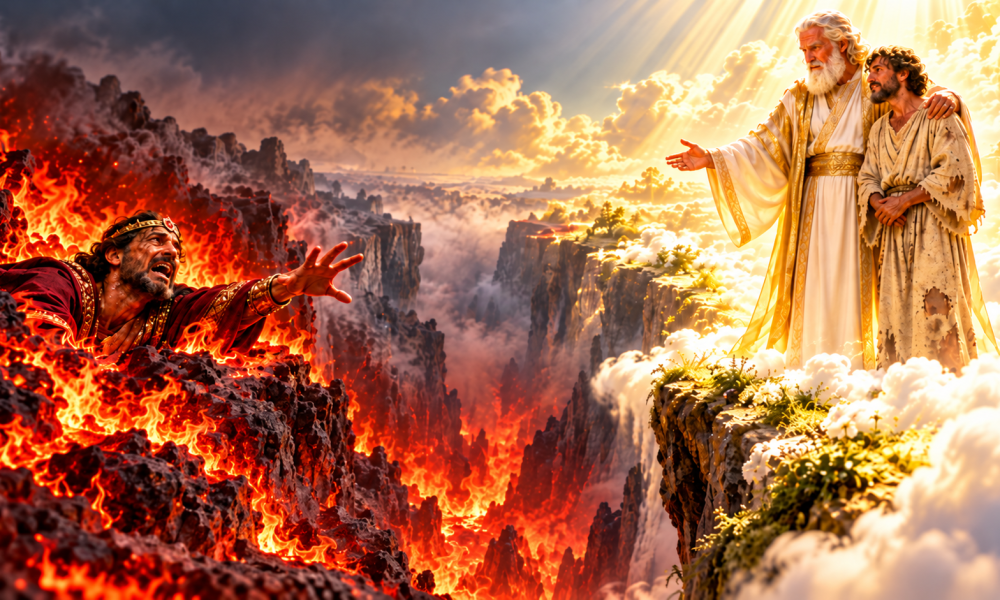
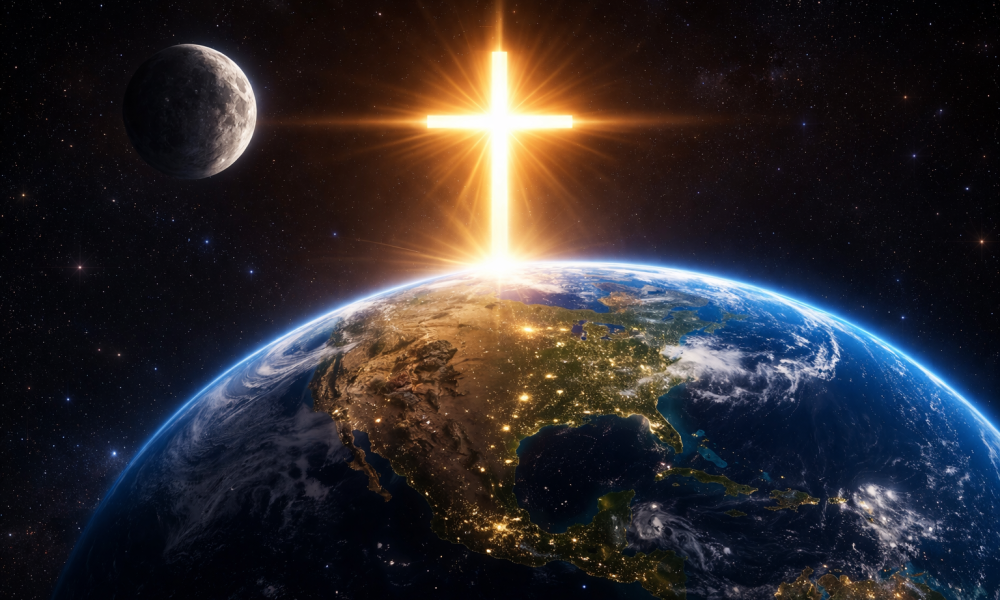
Es por eso que no debemos enfocarnos únicamente en la maldad que hay en el mundo, sino en lo que Dios hizo con esa maldad al enviar a su hijo a la cruz del Calvario para tomar toda esa maldad, la mía y la tuya sobre sí mismo.
Habacuc estaba viendo todo lo malo que sucedía a su alrededor en aquel entonces, pero Dios le dice que tenga una nueva perspectiva sobre lo que estaba ocurriendo. Así que en el capítulo 2 Habacuc
cambia su tono y dice: “Estaré atento y vigilante” Se da cuenta que como profeta tiene la responsabilidad de estar pendiente de su Nación en lugar de estar preocupado por este problema aquí abajo. Entonces el recibe una perspectiva más elevada cuando decide tomar su lugar y cumplir con su llamado.
¿Sabe qué es lo mejor que usted puede hacer como cristiano frente a los problemas del mundo? Elevar su perspectiva y cumplir con su llamado no quedándose en el relajo del mundo. La palabra dice que estamos sentados en lugares celestiales junto a Jesús. Y desde ese lugar podemos acceder al Padre, como Jesús va al Padre e intercede y empezar a ver las cosas como las ve el Padre y empezar a entender cómo todo van a resultar todo al final.
Es así como en el capítulo 1 Habacuc pregunta ¿Cuánto va a durar? Pero en el Capítulo 2:2 y 3 dice: escribe la visión, y haz que resalte claramente en las tablillas, para que pueda leerse de corrido. Pues se realizará en el tiempo señalado; marcha hacia su cumplimiento y no dejará de cumplirse Aunque parezca tardar, espérala; porque sin falta vendrá.
Desde una perspectiva elevada Habacuc pudo escuchar la respuesta de Dios. En el capítulo 1 Habacuc no cree que Dios esté hablando pero en el momento en que cambia su perspectiva y deja de mirar el problema y empieza a mirar por encima el problema, él logra escuchar la respuesta de Dios. Dios siempre tiene una respuesta. La palabra dice: “Clama a mí y te responderé” Jeremías 33:3. El problema no es si Dios tiene o no una respuesta, el problema es estamos escuchando la respuesta que Él tiene. Dios tiene una respuesta todo el tiempo. Cuando Habacuc estaba enfocado en el problema, no pudo escuchar lo que Dios tenía para decir. Tú puedes mirar el problema o puedes mirar por encima del problema. Habacuc reconoce que el problema iba a durar por un periodo de tiempo y ese es un lugar difícil para que un cristiano esté. Hay temporadas en las que Dios usa las tormentas y tienes que acostumbrarte a eso. Los problemas son las clases en las que Dios te enseña fortaleza. En el Salmo 119: 71 nos dice que es bueno el haber sido afligidos y David dice que allí aprendió sus estatutos. Los problemas son los lugares donde aprendemos cómo Dios desea usarnos en esta vida. El problema es que cuando vemos las tormentas en nuestras vidas nos empezamos a preocupar por las nubes y las grandes olas y el viento pero en el Salmo 104 dice que El Señor está por encima de las tormentas. Jesús enseñó a sus discípulos sobre esto cuando permitió la tormenta en la barca que iban para enseñarles fe. Antes de que empezara esta experiencia con la tormenta el Señor les había dicho: “vamos a cruzar al otro lado”. Si ellos hubieran escuchado bien lo que dijo y hubieran creído no habría importado las olas y los vientos que se levantaron. Los problemas es donde Jesús te enseña a dejar de preocuparte por las tormentas y empezar a hablar con el Dios que está por encima de los vientos y las olas.
Con una nueva perspectiva viene la paciencia. Cuando uno desarrolla paciencia no te preocupas por lo que no está pasando sino piensas en lo que va a pasar. Hay una promesa que viene con la paciencia, la perspectiva te lleva la paciencia y la paciencia nos lleva a la promesa. Necesitamos saber algo a cerca de la fe que tenemos. Nuestra fe no se construye sobre la explicación, nuestra fe está establecida sobre las promesas. Esta perspectiva ¿qué habla a nuestras vidas? Sus promesas para ti, son tuyas y son verdad. Quizás Dios no nos explique la tormenta, quizás no explique el por qué pero nos va a dar la esperanza y el qué. No necesito la explicación del por qué y nuestra esperanza está en lo que El está haciendo.
Habacuc cambió tu perspectiva con paciencia espero la promesa y mientras tanto se requirió su participación. No se quedó en el problema subió a la presencia del Señor para ver lo que Dios veía. Habacuc cambió su perspectiva y esto lo llevo a ver algo que no había visto antes.
En Habacuc 2:20 leemos el final del segundo capítulo: “Señor está en su santo templo; ¡guarde toda la tierra silencio en su presencia. ” Habacuc está viendo el cielo, está viendo a Dios en su Santo Templo así que sin importar lo que pase aquí abajo guardemos silencio porque El está por tomar una decisión. El se da cuenta que no hay nada en este mundo que sea tan grande que El no pueda resolver. Sin importan cual sea tu problema no hay nada que el Dios al que adoramos no pueda cambiar. Después de cambiar su perspectiva Habacuc termina el libro diciendo en el capítulo 3:17 “Aunque la higuera no florezca, ni haya frutos en las vides; aunque falle la cosecha del olivo, y los campos no produzcan alimentos; aunque en el aprisco no haya ovejas, ni ganado alguno en los establos”. El está diciendo aunque nada cambie. Si aquel problema del capítulo 1 no mejora, si la maldad continúa y no veo que nada mejore ni que nadie haga nada al respecto, como mi perspectiva del problema cambió lo que haré es “regocijarme en el Señor y me gozaré en el Dios de mi salvación” Habacuc 3:18. No importa lo que pase aquí en el tierra, Dios es grande y lo alabaré, está en su Trono, es aun el proveedor, El es la victoria de mi vida, El es la esperanza de mañana.
Cuánto tiempo durará no tiene que ver con horas, días, semanas, meses o años, cuánto va a durar tiene que ver con cuánto tiempo te enfoques en el problema en lugar de en El que resuelve el problema. Se acaba cuando dejas de verlo y lo ves a El por encima del problema y dirás yo me regocijaré en el Dios de mi salvación.




























Pingback: ¿CUÁNTO TIEMPO DURARÁ? | REVISTA SEMANAL